
Next batch starts:25/11/2026
Digital forensics
When a laptop is wiped, an email is forged or a server is breached, someone has to prove what happened. This course teaches the method, from securing evidence to writing the report.
50,000+
Students
100%
Career help
70+
Programs
Course details
Duration
60 hours
Language
Hindi | English
Mode
Classroom or live online, Hindi | English
Contact
+91 951 380 5401
FutureSkills Prime partner — MeitY and NASSCOM initiative for industry-aligned digital skills.
01
What a forensic investigator actually does
Phones, cloud accounts, office laptops and even smart devices leave traces of everything that happens on them. A forensic investigator collects those traces without changing them, works out who did what and when, and presents the result in a form that an employer, regulator or court can trust.
This training follows that sequence. You start with the legal and procedural background, move on to disks and file systems, then practise copying data safely, recovering deleted material and examining Windows, Linux, network, web, email, mobile and cloud artefacts.
02
The investigation workflow you will practise
The six stages below are the backbone of every module.
- 1
Identify
Decide which devices, accounts and logs might hold relevant information.
- 2
Preserve
Secure the source and create a forensic copy so the original is never altered.
- 3
Collect
Acquire volatile and non-volatile data from live and powered-off systems.
- 4
Examine
Search file systems, registries, logs, email and application data for artefacts.
- 5
Analyse
Link findings into a timeline that explains the incident.
- 6
Present
Write a clear, documented report that others can review and challenge.
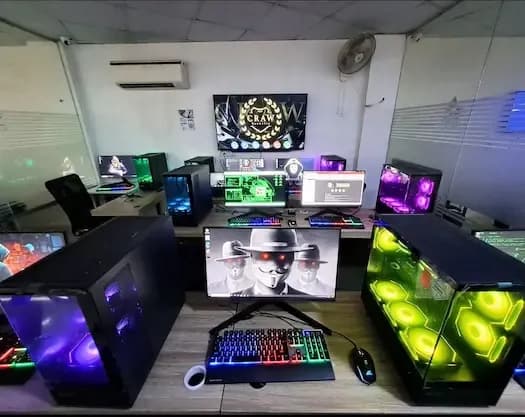
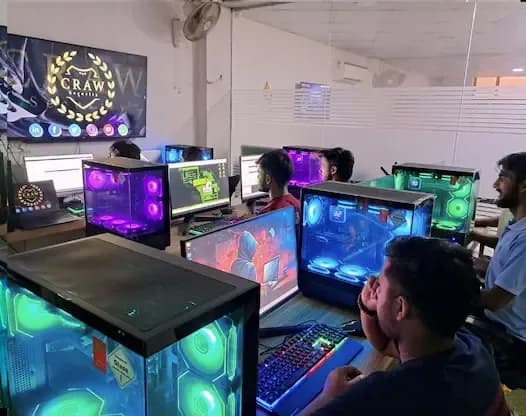
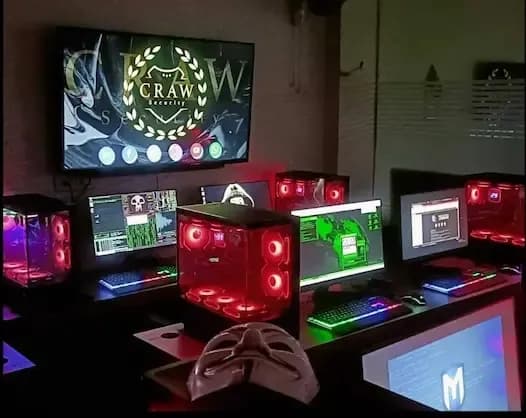
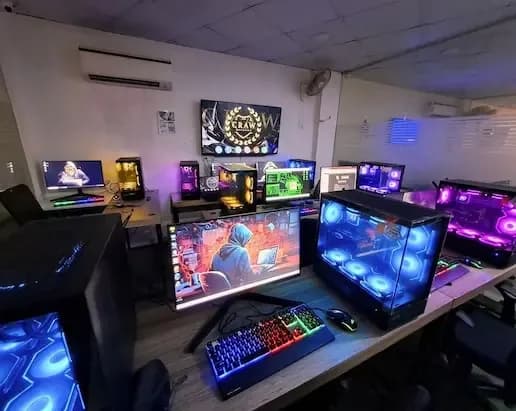
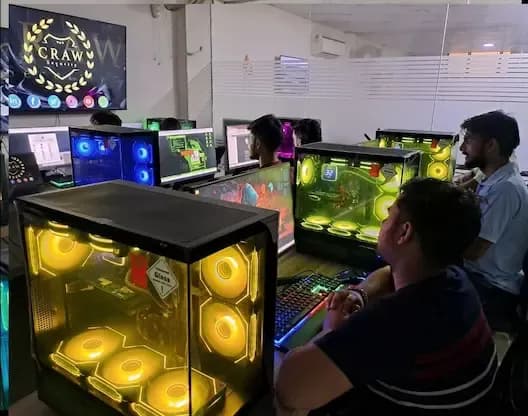
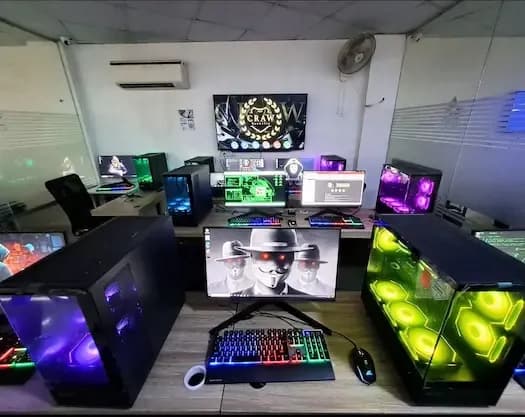
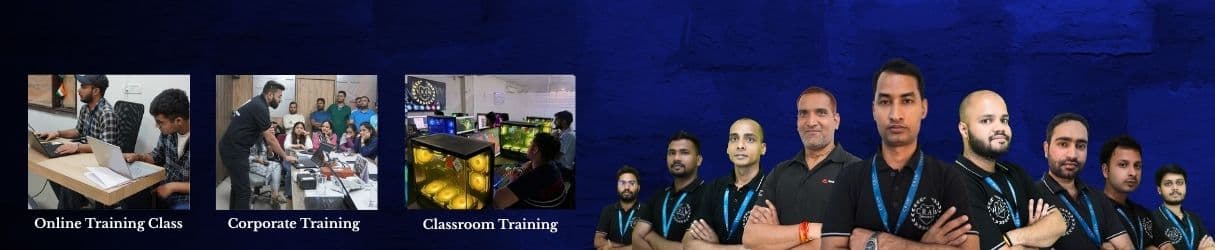
Inside our hands-on training labs
Syllabus
Course content, module by module
01Computer Forensics in Today's World
- Understanding the cyber crime
- Understanding cyber law
- Common attack
- Digital evidence
- Types Digital forensic
- Challenge in cybercrime investigation
02Computer Forensics Investigation Process
- Active and Passive Reconnaissance
- Google Hacking
- WHOIS Lookup
03Understanding Hard Disks and File Systems
- Hard disk design and architecture
- Various Filesystems
- Understanding booting process
- Window & Linux Filesystem
04Data Acquisition and Duplication
- Understanding the concept of data acquisition
- Rules of data acquisitions
- Types of data acquisitions
- Live & Dead acquisitions
- Data acquisition Format
- Live and dead acquisition on window & Linux
05Defeating Anti-Forensics Techniques
- IInsight of anti-forensic technique
- Steganography pros & cons
- Types of Steganography
- Basic stenographic model
- Data sanitization by hardware and software tools
- Password cracking technique
- Deleted data recovery
- Encryption methods
06Windows Forensics
- Methodology of window forensic
- Collecting volatile data & non-volatile data
- Window forensic analysis
- Gathering information by tools
- Examine whole file
- Examine network information
- Examine process information
- Examine event logs
- Understanding metadata
07Linux and Mac Forensics
- Methodology of Linux forensics
- Collecting file system information
- Collecting volatile data & non-volatile data
- Collecting login history and currently logged in user
- Collecting hostname, data, time, uptime data
- Gathering network information
- Gathering open port information
- Analysing log files in Linux OS
- Collecting suspicious information
- Collection network information
08Network Forensics
- Introduction of network forensics
- Network forensics process
- Analysing different network logs
- Log file analysis
- Log management chaNllenges
- Analysing network traffics
- Gathering info through sniffing
- Sniffing tools
09Investigating Web Forensics
- Introduction to web application forensics
- Indicators of a web attack
- Web application threats
- Analysing web logs client/admin
- Web attack investigation methodology
10Dark Web Forensics
- Introduction to dark web forensics
- Layers of internet
- Tor browser architecture
- Investigating tor
11Cloud Forensics
- Cloud models
- Cloud computing threats & attack
- Cloud forensics
- Cloud crimes
12Investigating Email Crimes
- Email server architecture
- Understanding email structure
- Email crime investigation procedure
- Analysing email
13Malware Forensics
- Introduction to malware forensics
- What is malware & what can malware do
- Type of malware
- Different ways malware can get into a system
- Components of malware
- Types Malware analysis
- Tools for malware analysis
- Deep study on malware cases
14Mobile Forensics
- Introduction of mobile forensics
- Why do we need mobile forensics
- Challenges in mobile forensics
- Mobile devices and fundamental component
- Mobile phone evidence extraction process
- Removable and external data storage
- Data Acquisition from iOS Devices & android
- Data Acquisition and Analyzing SIM Cards
- Examination and analysis
- Mobile forensic tools
15IoT Forensics
- Understanding the IOT forensics
- Understanding IOT & IOT issues
- IOT architecture
- Learning objectives of IOT forensics
- IOT security problems
- IOT attack surface area
03
Choose how you attend
| Option | Best for | What to expect |
|---|---|---|
| Classroom at Saket or Laxmi Nagar | Learners who want in-person lab access | Instructor on site, practical exercises alongside peers |
| Instructor-led online | Working professionals and students outside Delhi | Live sessions with demonstrations and a chance to ask questions |
04
Who tends to join
- Graduates who want to enter digital investigation or incident response
- Security analysts who need to preserve evidence properly
- IT administrators who handle internal misuse cases
- Law, audit and compliance staff who work with electronic evidence
- Anyone comfortable with basic computers, networks and operating systems
05
Entry level and preparation
There is no strict entry barrier at the introductory level. That said, comfort with operating systems, files and the command line makes the later modules easier, so spend a few evenings refreshing networking basics before the first class.
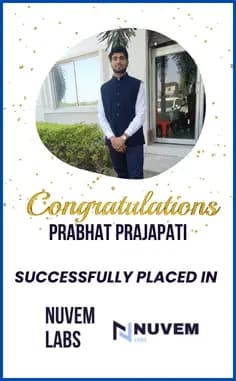
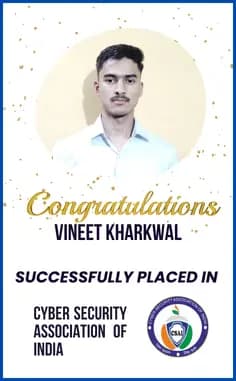
Placements
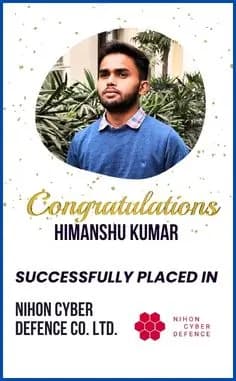
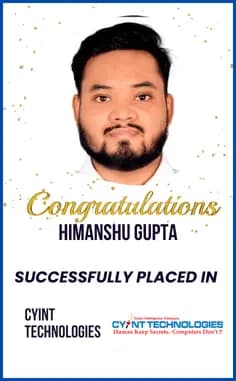
Recent Placement Success Stories
Meet the graduates who turned training into careers

















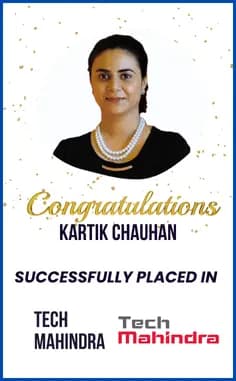

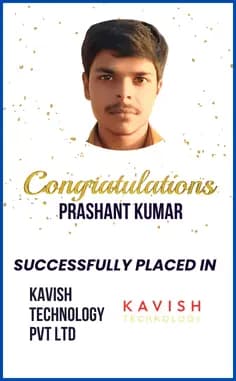

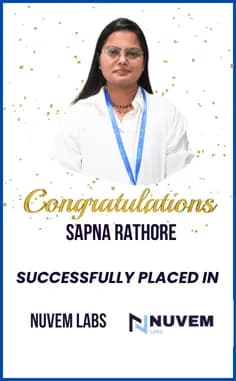


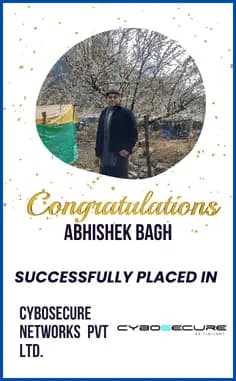








Recognition
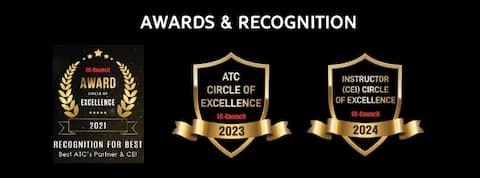
EC-Council Circle of Excellence




Named Best ATC Partner and Best CEI by EC-Council in consecutive years
Government & defence
Defence Training
Tailored programmes for armed-forces personnel and government departments
Indian Air Force

Indian Navy

Dept. of Military Affairs

Integrated Defence Staff
Indian Air Force
Indian Navy
Dept. of Military Affairs
Integrated Defence Staff
Companies that have hired our graduates













Frequently asked questions
Where can I attend the cyber forensics course in Delhi?
Classroom batches run at Saket and Laxmi Nagar. Learners who cannot travel can ask for instructor-led online sessions, depending on batch availability.
How many hours is the course?
The listing shows 60 hours. Since batch formats can differ, confirm the schedule with a counsellor before you enrol.
What are the three A's of cyber forensics?
Acquisition (copy data without touching the original), authentication (prove the copy matches the source) and analysis (examine it without damaging its evidential value).
Do I need a coding or hacking background?
No. Basic computer, network and operating-system knowledge is enough to follow, though cyber security fundamentals help.
Is digital forensics legal to practise?
Yes, when done with proper authorisation, a defined scope and sound evidence handling. The course stresses these rules throughout.
What roles use these skills?
Titles include digital forensics analyst, incident responder, cyber crime investigator and eDiscovery specialist, depending on the employer.
Certificates earned by our learners
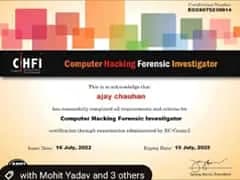
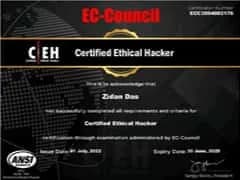
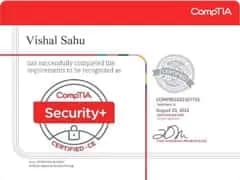
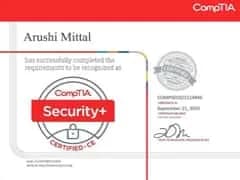
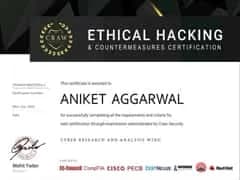
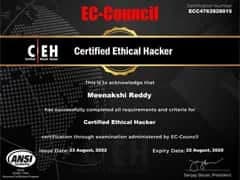
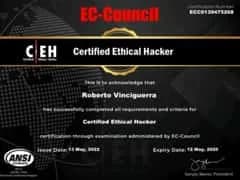
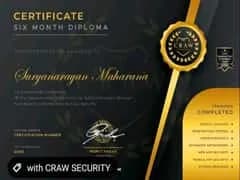
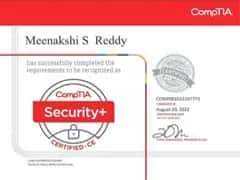
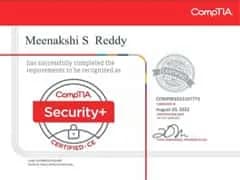
What our learners say

Saket Chaudhary
NewI recently completed my CEH Practical course and exam from Craw Security, and the experience was truly exceptional. The course was well-structured, covering all essential aspects with hands-on practical training. The mentors were incredibly supportive throughout the journey, especially my instructor, Mohit Kumar Sir, whose guidance and expertise played a crucial role in my learning process. His dedication and willingness to help made the course even more valuable. I highly recommend Craw Security to anyone looking to enhance their cybersecurity skills. A well-deserved 5 out of 5 stars 🤩

Philis Mutamba
Really enjoyed my CEH training with Craw Security. My trainer Robin Paul was patient, clear, and very knowledgeable. The course structure and hands-on sessions were really really helpful.

Kashish Jaiswal
I recently completed my CEH (Certified Ethical Hacker) training at Craw Security, and also took the CEH certification exam. My overall experience was highly positive. The training was well-structured and delivered by experienced instructors (Mohit Sir) who had in-depth knowledge of ethical hacking concepts. The course covered a wide range of topics, They were patient in clearing doubts and ensured that all students, regardless of their prior experience, could grasp the topics effectively. The institute provided excellent guidance on exam preparation, including practice tests, study materials, and exam-taking strategies. Their support team was also helpful in scheduling the exam and addressing any queries related to certification. I highly recommend Craw Security to anyone looking for any Security related training’s. Would definitely consider returning for more advanced cybersecurity courses in the future!

Keshav gupta
I recently took Linux classes at Craw Security Institute, and it was an excellent learning experience. The course was well-structured, and the practical knowledge I gained has been invaluable. A special thanks to Anand Sir for his dedication

Tushar Meena
Amit Sharma Sir is an exceptional AWS Associate teacher at Craw Saket. His deep knowledge, clear explanations, and practical teaching approach make complex topics easy to understand. He's always supportive and ready to clear doubts. Truly appreciate his dedication and teaching style — highly recommended for anyone looking to learn AWS the right way!

Vikash Yadav
The experience at Craw Security has been excellent! The learning environment is welcoming, and the staff is supportive and responsive. Even beginners feel well-guided throughout the program. It's a supportive place to build a strong foundation in cybersecurity.

Rohit Sharma
I recently completed CEH practical on craw security. Which was a great decision i made fr they're well organised with proper support and my mentor Robin paul who guided me throughout i personally thank him here..

Ankit Verma
Craw Cyber Security provides excellent training with a strong focus on practical, hands-on learning. I especially appreciated their Red Hat course, which was well-structured and aligned with real exam scenarios. The instructors are highly knowledgeable, and the staff is very supportive and friendly, always ready to assist. It's a great place to start or grow your career in cybersecurity and Linux administration.

Amit Kashyap
I had a great experience with CRAW Security! The cybersecurity training was practical and industry-relevant. The trainers were very supportive throughout. Special thanks to Mansi Ma'am from the placement cell for her constant support and guidance — because of her help, I got successfully placed. Highly recommend this institute!

Yashika singhaniya
Grateful to Craw Security for an excellent learning experience in cybersecurity. A big thank you to Sahil Sir and Bhumika Ma’am for their mentorship, support, and encouragement during my learning process.

Charan Kumar reddy Yandapalli
I am very happy to participated as a member of CRAW security. This company is very Good at atmosphere and very good for learning also. I'm strongly recommending Craw security to your cyber security future 👍
Where our learners go on to work